
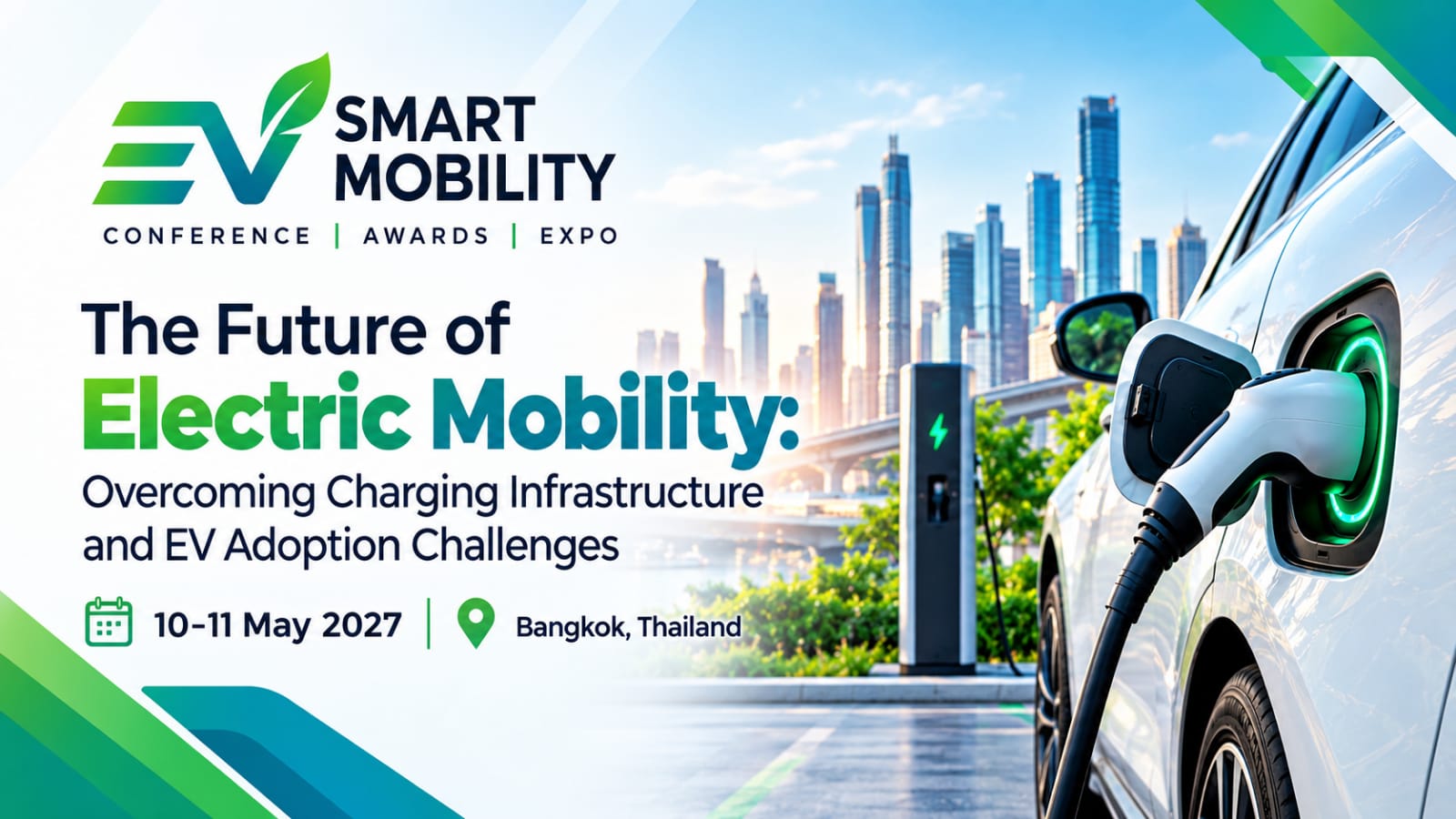
Electric mobility is becoming an important part of sustainable urban transport. As electric vehicle (EV) adoption grows worldwide, the industry faces several challenges. Expanding charging infrastructure, preparing electricity grids for rising demand, and building consumer confidence will be essential to support wider EV adoption.
Electric Mobility at an Inflection Point
Electric vehicles (EVs) offer a practical way to reduce urban emissions, improve air quality, and reduce dependence on fossil fuels. Advances in battery technology, government incentives, and growing interest in cleaner transport are encouraging adoption across passenger vehicles, two-wheelers, commercial fleets, and public transport.
However, wider adoption depends on more than environmental benefits. EVs must be affordable, convenient to charge, and reliable for everyday use. This requires coordination between vehicle manufacturers, charging providers, electricity utilities, digital platforms, and urban planners. Without this connected ecosystem, even improvements in vehicle technology may not be enough to accelerate adoption.
The Charging Infrastructure Challenge
Charging availability remains one of the biggest barriers to EV adoption. Potential buyers often worry about where they will charge, how long charging will take, and whether public infrastructure will be dependable enough for daily travel.
Key challenges include:
Limited public charging coverage: Charging stations remain less accessible in some areas, particularly outside major cities and along highway corridors.
Charging speed and convenience: Slow charging can be inconvenient for drivers who need to return to the road quickly.
High installation costs: Setting up fast-charging stations requires investment in equipment, grid connections, and site preparation.
Grid capacity constraints: Concentrated charging demand can put pressure on local electricity networks, particularly during peak hours.
Lack of interoperability: Differences in payment systems, charging connectors, and service platforms can make public charging more complicated.
Uncertain business models: Charging operators need sufficient utilization and sustainable pricing to recover their investments and maintain reliable services.
Addressing these challenges requires collaboration between governments, utilities, automakers, property developers, fleet operators, and technology providers. Charging facilities should be integrated into homes, workplaces, shopping centers, parking facilities, public transport hubs, and highway corridors. Better planning can make charging more accessible while helping operators manage costs and electricity demand.
Building Consumer Confidence
Infrastructure alone will not drive adoption. Consumers also need clarity on total cost of ownership, battery life, resale value, maintenance, insurance, and available incentives.
For many first-time buyers, the decision is emotional as well as practical: they want reassurance that an EV fits their lifestyle. Transparent information, test-drive opportunities, attractive financing, reliable after-sales service, and visible public charging networks can all help convert interest into ownership.
Fleet electrification can also play a powerful role. Taxis, delivery vehicles, buses, and corporate fleets operate predictable routes and can benefit from planned charging schedules, making them strong early adopters and visible proof points for wider society.
Smart Mobility as the Enabler
The next phase of electric mobility will be shaped by smart, connected systems. Digital platforms can help drivers locate available chargers, compare prices, reserve charging slots, and manage energy use. Smart grid technologies can balance demand, integrate renewable energy, and reduce pressure on electricity networks.
Data and AI can further improve planning by identifying high-demand locations, predicting charging patterns, optimizing fleet operations, and supporting dynamic pricing. In this way, electric mobility becomes part of a broader smart mobility ecosystem—one that is cleaner, more efficient, and more responsive to urban needs.
Why Bangkok Is the Right Stage
Bangkok provides an opportunity to examine how charging accessibility, fleet electrification, and smart city planning can work together to support more efficient mobility. For businesses, the region also presents opportunities to develop charging solutions, improve fleet management, and build partnerships across the mobility ecosystem.
The Smart Mobility Awards Conference and Expo will bring together stakeholders from across the mobility value chain to exchange ideas, explore emerging technologies, recognize industry achievements, and discuss partnerships that can support the development of smart and sustainable transport.
Join the Conversation
If you work in electric vehicles, charging infrastructure, energy, fleet management, urban transport, smart cities, or mobility technology, the Smart Mobility Awards Conference and Expo offers an opportunity to connect with industry professionals and explore practical approaches to the future of transport.
Join the Smart Mobility Awards Conference and Expo in Bangkok, Thailand, on 11–12 May 2027 to exchange insights, discover emerging solutions, and build connections across the smart mobility sector.
Register today: https://evsmartmobilityconference.com
References
Royal Thai Government. Thailand Updates EV3–EV3.5 Incentives to Strengthen Position as Regional EV Hub (2026).
International Energy Agency (IEA). Global EV Outlook 2026: Electric Vehicle Charging.