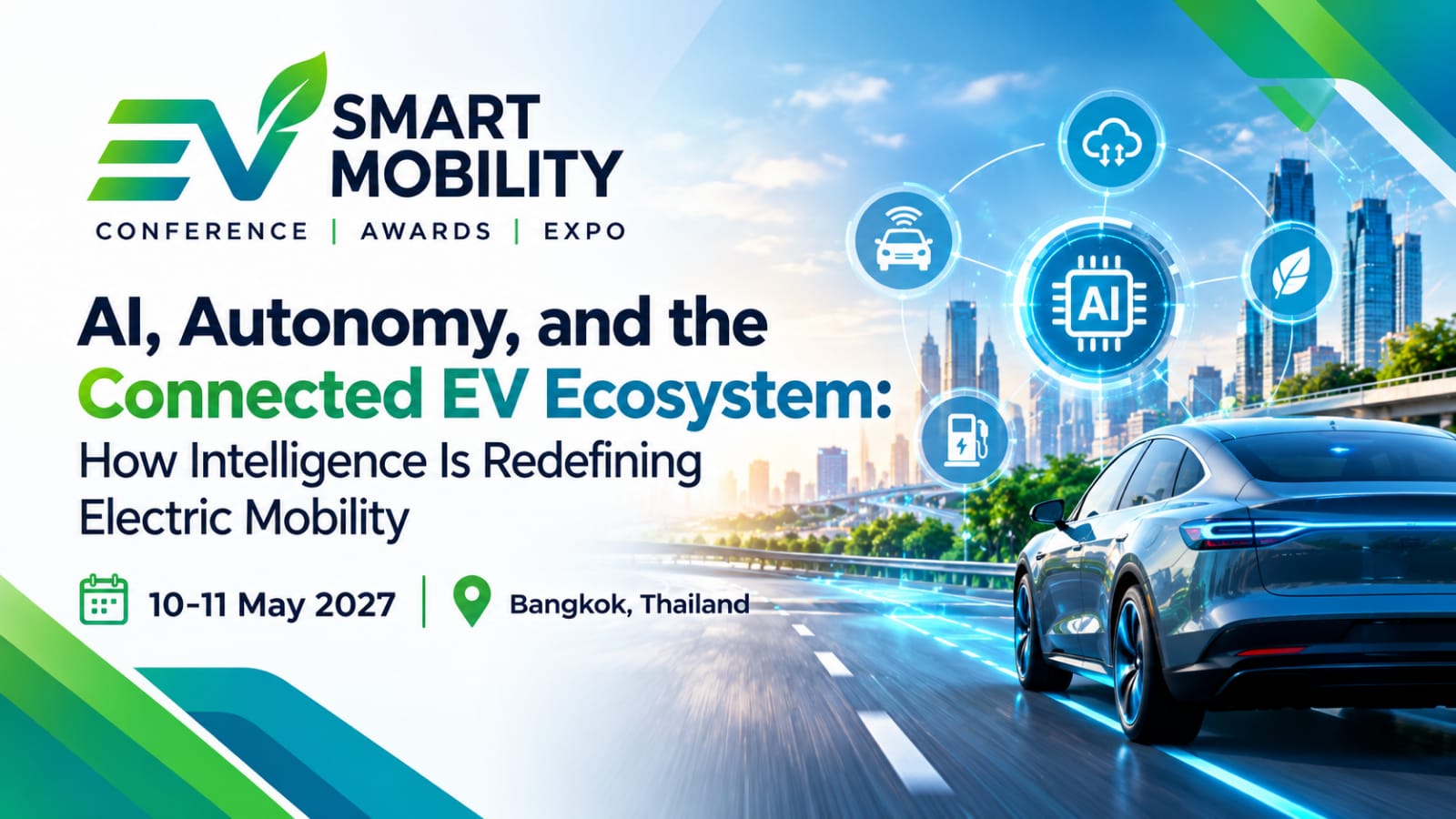
Electric mobility is no longer defined only by batteries, motors, and charging points. The next phase will be shaped by intelligence—AI systems that optimize energy use, autonomy that improves safety, and connectivity that links vehicles, fleets, chargers, and cities into one ecosystem.
As electric vehicles (EVs) become increasingly software-defined, artificial intelligence is moving from a supporting technology to a core enabler of performance, safety, and business value. Battery electric vehicles are at the forefront of this shift, using advanced software architectures, sensors, powerful chips, and AI to enable over-the-air updates, advanced driver-assistance systems, and smarter battery management.
AI inside electric vehicles
AI is already helping improve EV performance and efficiency. Intelligent battery-management systems can estimate state of charge, monitor battery health, predict degradation, and optimize thermal performance. This helps operators extend battery life, improve range confidence, and reduce maintenance costs.
For fleet operators, AI turns vehicle data into operational intelligence. Telematics can identify inefficient routes, monitor driver behavior, forecast maintenance needs, and improve vehicle utilization. The result is a more reliable and cost-effective transition to electric fleets.
AI is also reshaping charging. Smart-charging systems can forecast grid demand, electricity prices, renewable generation, and vehicle arrival patterns to schedule charging at the most efficient time. As EV electricity demand grows, smart charging and vehicle-to-grid services can help reduce peak loads and provide flexibility to the grid.
From assistance to autonomy
Autonomy is advancing in stages. Advanced driver-assistance systems—such as automated steering and speed control—are becoming more common, while driverless electric robotaxis are now operating commercially in more than 20 cities, mainly in China and the United States.
The opportunity is significant, but so is the responsibility. Autonomous and assisted-driving systems must be validated across real-world conditions, including dense urban traffic, unpredictable pedestrians, adverse weather, and complex road infrastructure. Safety, transparency, and human oversight remain essential as the industry moves from pilot projects to scalable deployment.
The connected EV ecosystem
A connected EV is part of a much larger digital network. It communicates with charging stations, cloud platforms, fleet-management systems, mobile apps, payment providers, and city infrastructure. This connectivity enables over-the-air updates, real-time diagnostics, dynamic routing, and seamless charging experiences.
But it also expands the attack surface. Connected vehicles collect sensitive data, including location, driving behavior, battery status, diagnostics, and sometimes cabin information. Cybersecurity and data governance must therefore be built into the EV ecosystem from the start—not added after deployment. Regulators are increasingly linking vehicle market access to cybersecurity and software-update requirements, while connected-vehicle data is subject to growing privacy and governance expectations.
What industry leaders must do
To turn intelligence into a competitive advantage, EV and mobility stakeholders should focus on four priorities:
•Build secure, interoperable systems across vehicles, chargers, cloud platforms, and grid services.
•Use AI responsibly, with clear data governance, privacy safeguards, and explainable decision-making.
•Design for real-world reliability, especially for fleets, public transport, and charging networks.
•Collaborate across the ecosystem, because no single automaker, utility, or technology provider can deliver smart mobility alone.
The future of electric mobility will not be decided by the EV alone. It will be defined by how intelligently vehicles, energy systems, and cities work together.
Join the conversation
EV Smart Mobility Bangkok 2027 brings together the entire electric mobility ecosystem—vehicle makers, component suppliers, charging providers, fleet operators, technology companies, policymakers, and investors—to explore the technologies and partnerships shaping the next era of transport.
Register today: https://evsmartmobilityconference.com
References
IEA Artificial Intelligence and EVs